You’re Paying to Recruit Nurses You Already Had
Recruiting one nurse can cost between $10,000 and $30,000, yet many of those candidates already rotated through your hospital as students. Here is how to stop paying twice.

Recruiting one nurse can cost between $10,000 and $30,000, yet many of those candidates already rotated through your hospital as students. Here is how to stop paying twice.

Preceptor burnout is often blamed on the teaching itself, but the real driver is the disorganization around it. Here is how rotation planning affects nurse retention.

There is a student on your unit right now. Do you know for certain their background check is current and their records are on file? Here is how to close that gap.

You spend heavily recruiting nurses through job boards and agencies while hundreds of students rotate through your units each semester. Here is how to turn them into hires.

Audit readiness should not be a seasonal scramble. With the right systems in place, staying prepared for accreditation visits can become a quiet, ongoing part of how your program runs.

When student records live in spreadsheets, shared drives, and email threads, errors and compliance gaps follow. Here is why centralized document management matters for rotation programs.

Background checks and drug screens are essential to clinical placement, but turnaround times and rules vary by state and site. Here is how large programs manage them without delays.

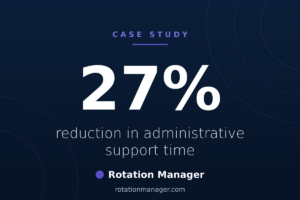
RiteCare manages students across five clinical centers. See how moving to Rotation Manager centralized scheduling and document tracking, improved oversight, and saved staff time.

Most audit failures trace back to missing, expired, or inconsistent documentation. Here are the record-keeping practices that help clinical education programs stay accredited.

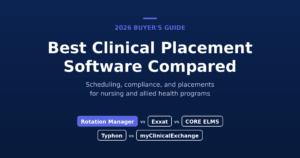
The right rotation scheduling software brings scheduling, compliance tracking, and reporting into one system. Here is what to look for before you choose a platform.